What Will I See Underwater in the BVI? 15 Marine Animals to Look For
One of the questions we hear all the time is: “What marine life will I see underwater in the BVI?”
The short answer? You never quite know—and that’s part of the fun.
The waters surrounding the British Virgin Islands are home to some amazing BVI marine life – colorful reef fish, graceful sea turtles, rays, sharks, tiny creatures hiding among the corals, and plenty of unexpected visitors. Every dive or snorkel offers something different, whether you’re exploring a shallow reef, cruising alongside a dramatic wall, or discovering one of the BVI’s famous wrecks.
Here are 15 marine animals to keep an eye out for during your next underwater adventure with Dive BVI.
1. Green Sea Turtles
Few underwater encounters get as much attention as a sea turtle gliding effortlessly over the reef.
Green sea turtles are regularly seen around the BVI, particularly in areas with seagrass beds where they come to feed. You may spot one resting near the reef, surfacing for a breath, or cruising past while seemingly paying no attention to its excited audience.
Give turtles plenty of space and enjoy the encounter without chasing or touching them.
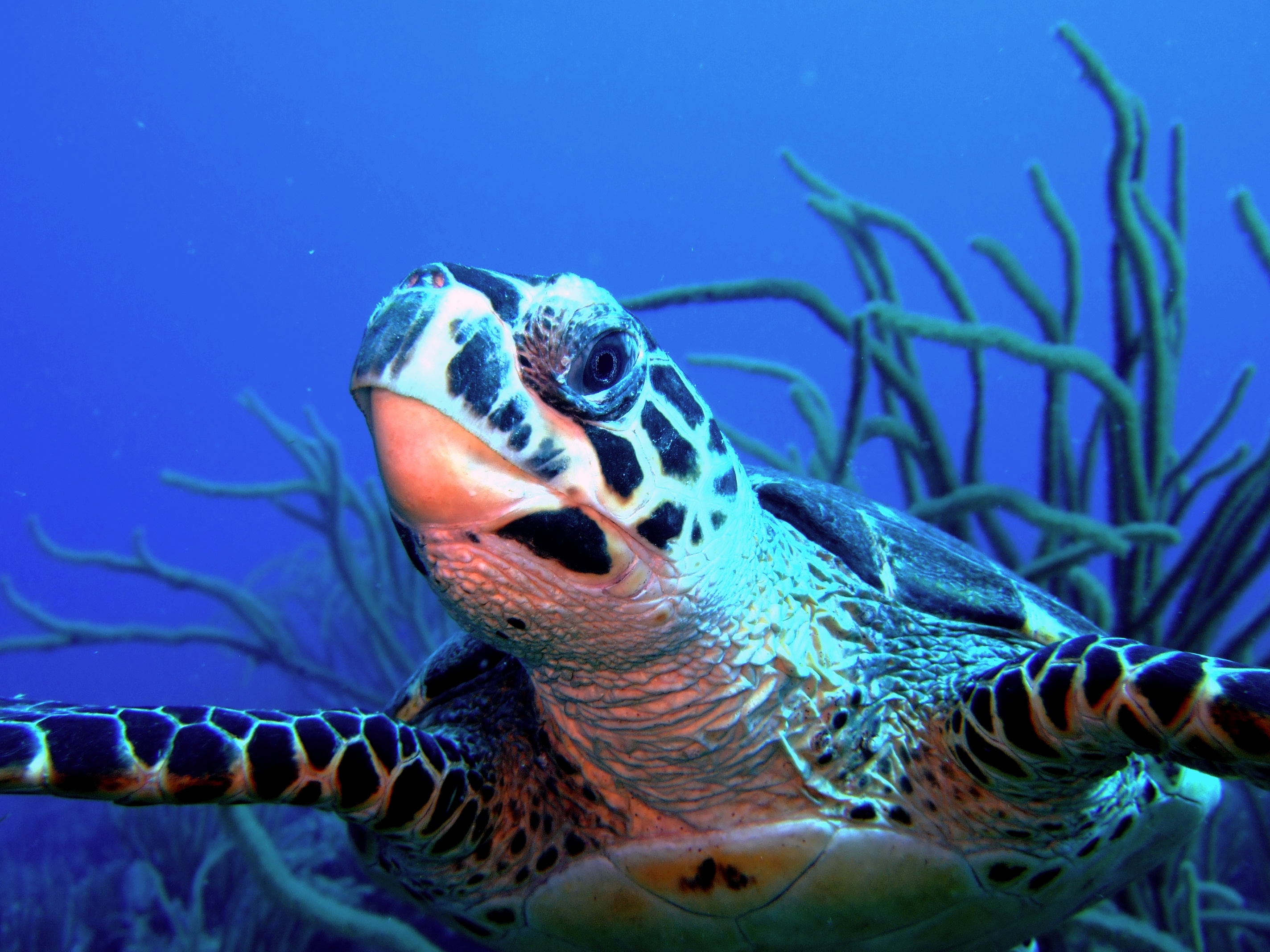
2. Hawksbill Turtles
The BVI is also home to the beautiful hawksbill turtle.
Hawksbills spend much of their time around coral reefs, where their narrow, pointed beaks help them feed in small crevices. Look carefully around reef structures and ledges—you might find one tucked into a surprisingly small space.
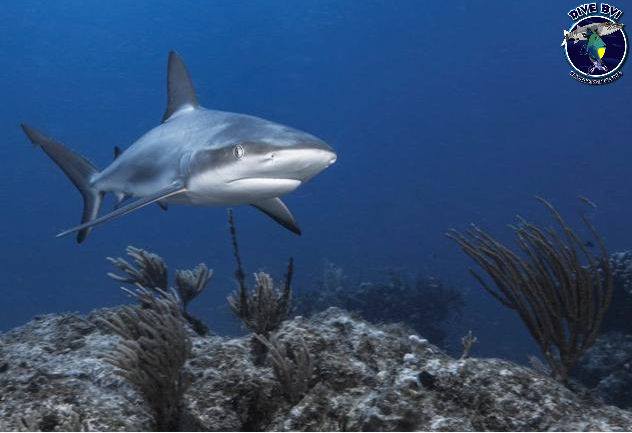
3. Caribbean Reef Sharks
Seeing a shark underwater can easily become one of the highlights of a dive.
Caribbean reef sharks occasionally cruise through BVI dive sites, usually keeping their distance as they patrol the reef. Watching one move calmly through the blue is an unforgettable reminder that you’re visiting a wild ecosystem. These beautiful reef guardians help keep our reefs clean and healthy. Want to learn more about sharks? Click HERE!
Remember: seeing a shark isn’t guaranteed, which makes the encounter even more special when one appears.
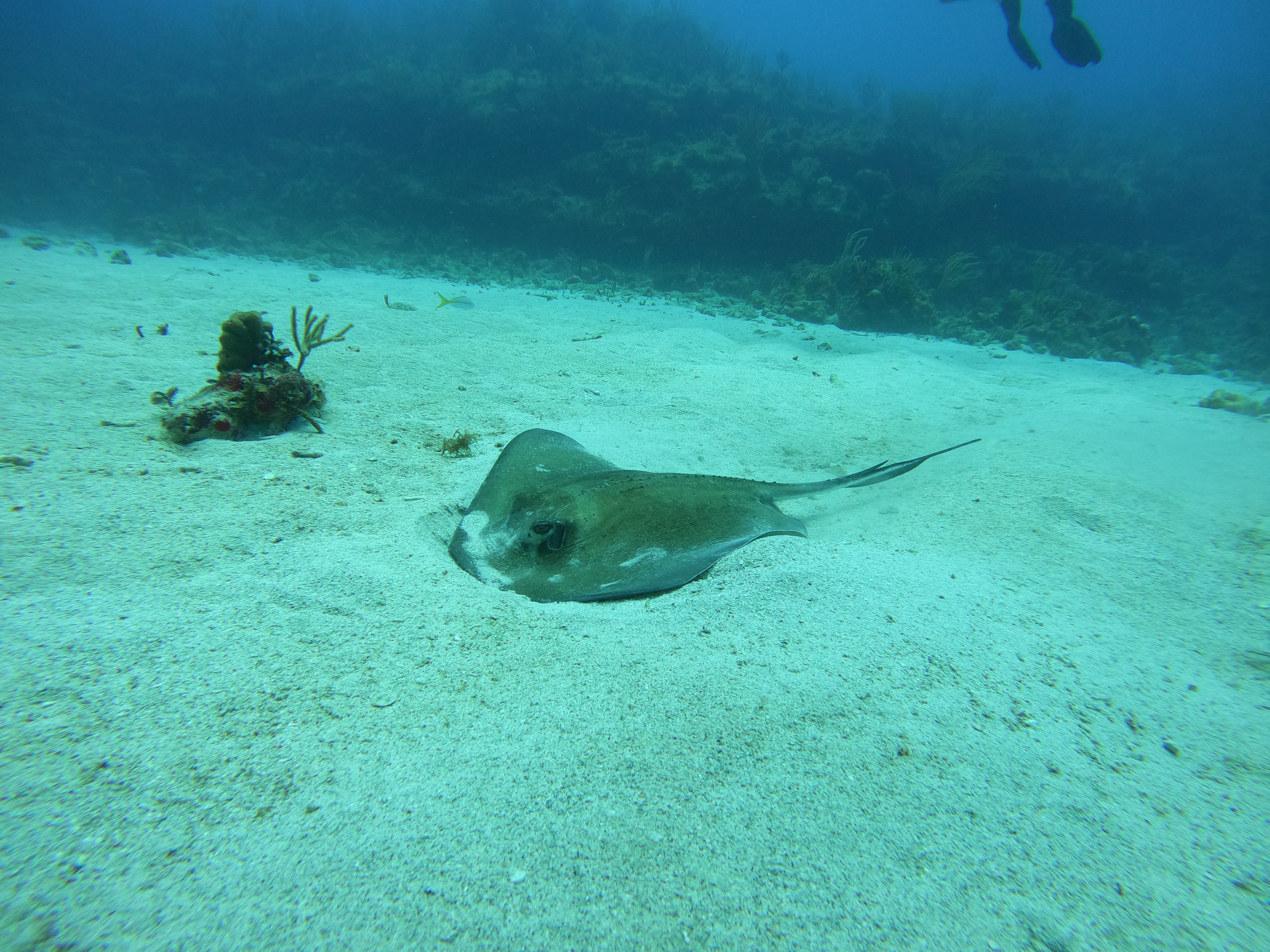
4. Southern Stingrays
Sometimes the best place to look isn’t ahead of you—it’s below.
Southern stingrays often rest on sandy bottoms, sometimes covering themselves with a thin layer of sand so that only their eyes and spiracles are visible. You may also see them gracefully swimming across an open patch of sand.
Snorkelers have a good chance of spotting them too, especially in shallow, sandy areas.
5. Spotted Eagle Rays
If there’s an animal capable of stopping an entire dive group in its tracks, the spotted eagle ray is a strong contender.
With their dark backs covered in white spots and their long tails trailing behind them, eagle rays seem to fly through the water. They’re often seen cruising along reef edges or through open blue water.
When someone starts pointing enthusiastically into the distance, look quickly!
6. Tarpon
Big, silver and unmistakable, tarpon are impressive fish.
You’ll sometimes find them hovering around reefs, wrecks and areas with schooling fish. Their reflective scales can catch the sunlight beautifully, particularly when a group gathers together.
And yes—they can look very large when one swims past you underwater.
7. Great Barracuda
Barracuda have an unmistakable appearance: long silver bodies, prominent teeth and an expression that always seems slightly suspicious.
They’re curious fish and may occasionally follow divers from a comfortable distance. Despite their intimidating looks, seeing a large barracuda calmly hanging above the reef makes for a fantastic underwater encounter.
8. Queen Angelfish
Not everything exciting underwater has to be big.
Queen angelfish are among the most striking residents of Caribbean reefs. Their brilliant blue and yellow coloring makes them easy to recognize once you know what you’re looking for.
They’re a perfect example of why slowing down on a dive often pays off.
9. Parrotfish
If you’ve snorkeled or dived in the Caribbean, you’ve probably heard a strange scraping sound underwater.
There’s a good chance a parrotfish was responsible.
Parrotfish use their beak-like teeth to scrape algae from reef surfaces. The BVI is home to several species, ranging from relatively small individuals to large, brightly colored fish that are hard to miss.
10. Trunkfish
Trunkfish might win the award for one of the reef’s most unusual designs.
Their boxy bodies and small fins give them an almost comical swimming style, while their patterns make them favorites with underwater photographers. Look for them slowly searching the reef for food.
Once you learn to recognize a trunkfish, you’ll start spotting them everywhere.
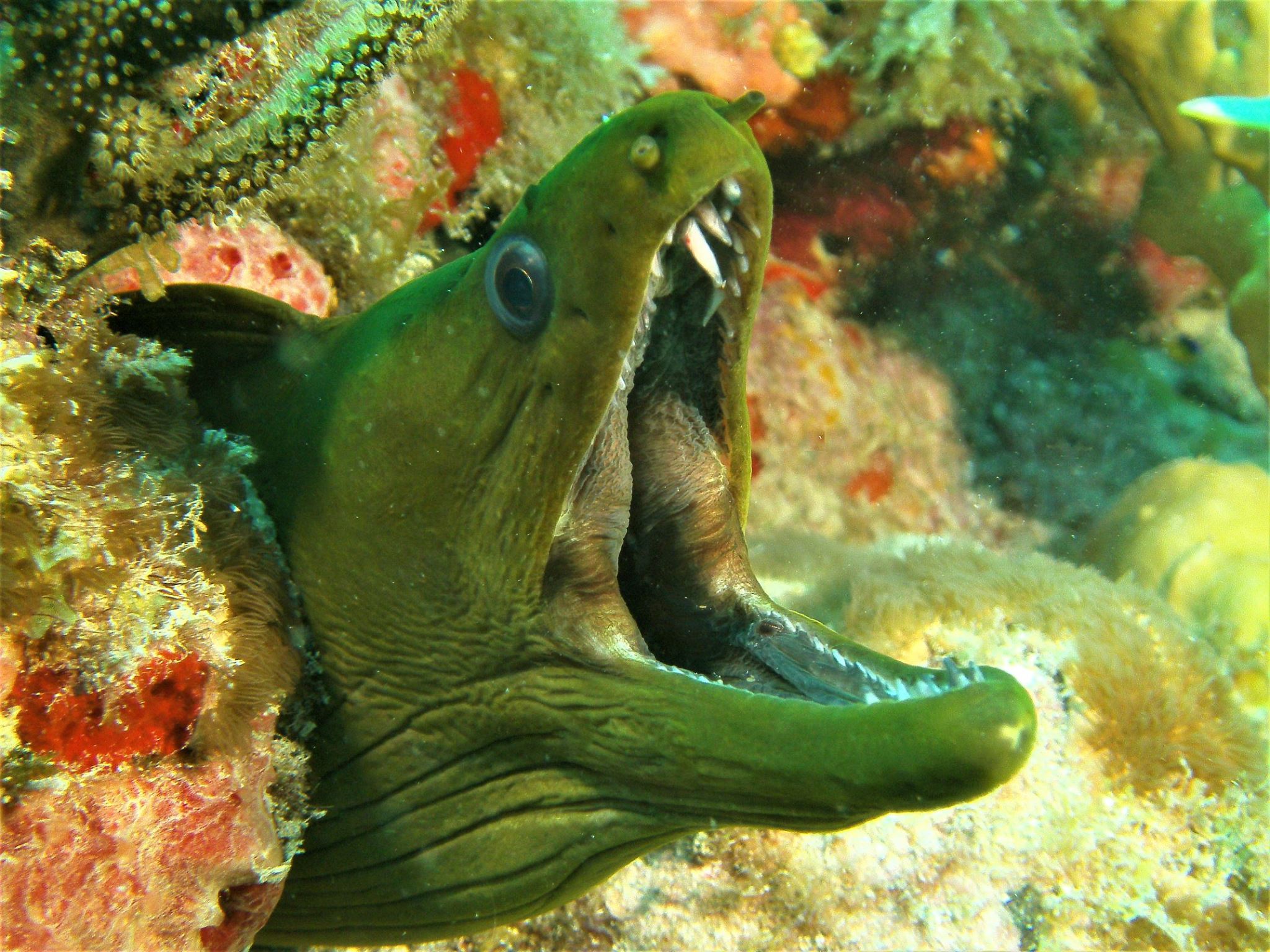
11. Moray Eels
Moray eels are masters of hide-and-seek.
During the day, you’ll often see little more than a head poking out from beneath a rock or coral ledge. Don’t mistake their open-and-closing mouths for aggression—morays move water through their mouths and across their gills to breathe.
A good dive guide knows exactly the kinds of places to check for them.
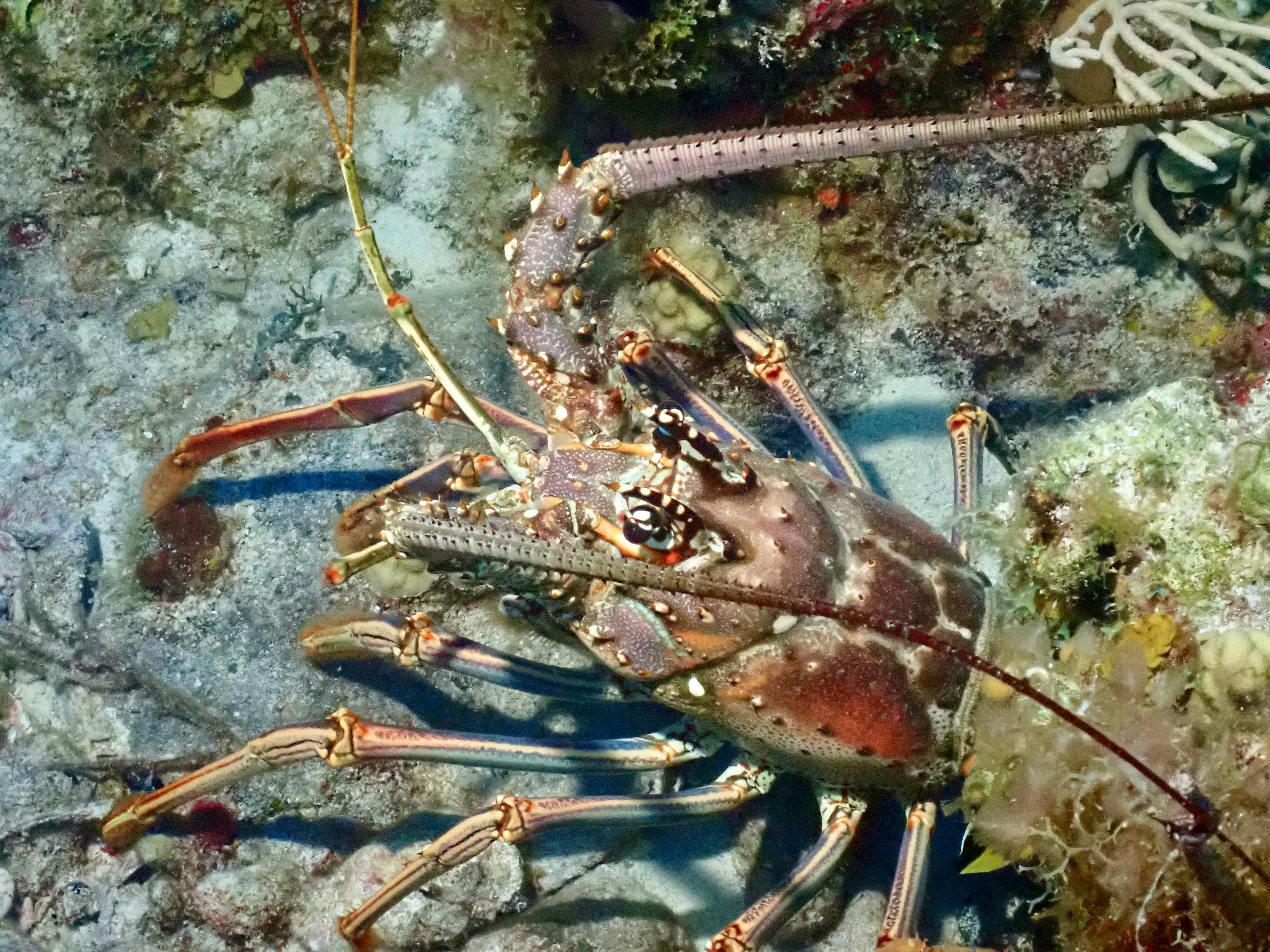
12. Caribbean Spiny Lobsters
Look underneath ledges and into rocky crevices and you may notice a pair of very long antennae sticking out.
You’ve found a Caribbean spiny lobster.
Unlike the classic cold-water lobster many visitors picture, Caribbean spiny lobsters don’t have large front claws. Instead, their armor, spines and oversized antennae give them their distinctive appearance.
13. Flamingo Tongues
Now we’re getting small.
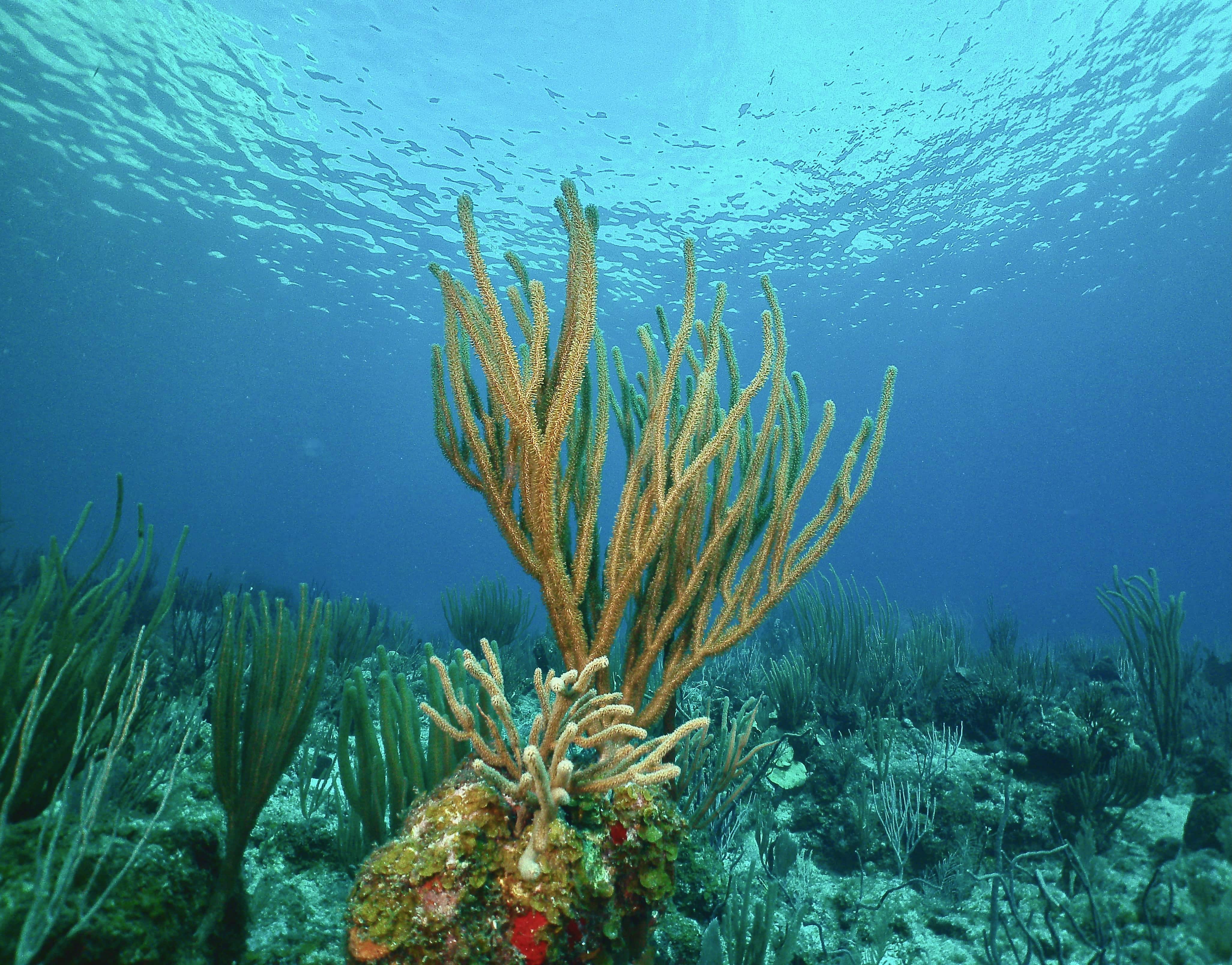
The flamingo tongue is a tiny marine snail often found living on soft corals such as sea fans and sea rods. Its striking spotted pattern makes it look as though it has an elaborate shell, but much of that pattern actually comes from living tissue covering the shell.
Finding one is a great reminder to stop searching only for the big animals.
Some of the coolest creatures in the BVI are only a few centimeters long. If you can find the small marine life, then you can find the bigger marine life too!
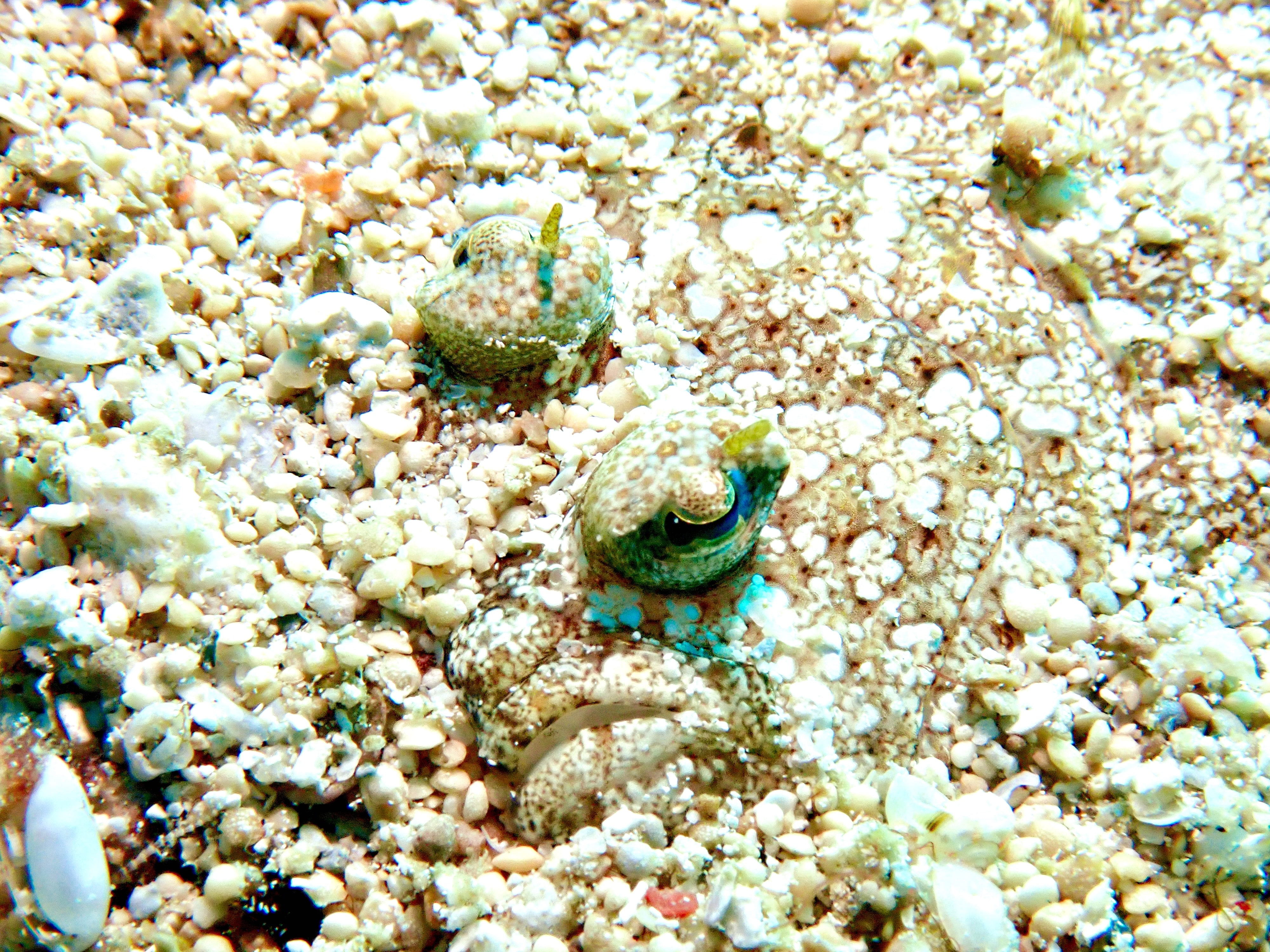
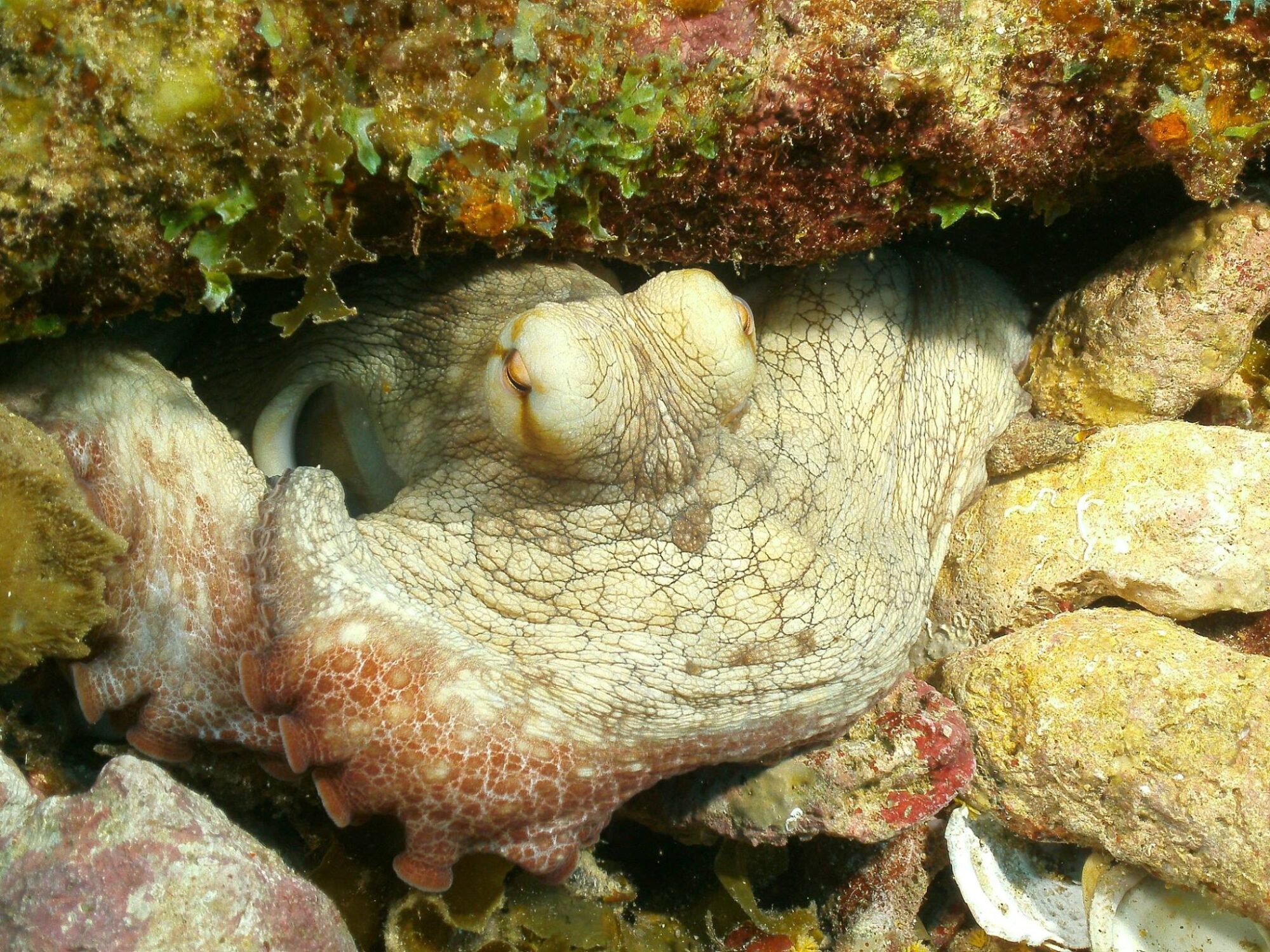
14. Caribbean Reef Octopus
Spotting an octopus requires patience—and sometimes a little luck.
These remarkable animals can change their color and appearance to blend into their surroundings, making them surprisingly difficult to notice even when they’re right in front of you.
Watch for movement around rocks, unusual changes in texture, or an eye peering back at you from a hole in the reef.
Finding the octopus is half the fun.
15. The Unexpected Visitor
This might be our favorite category.
The ocean doesn’t work from a checklist.
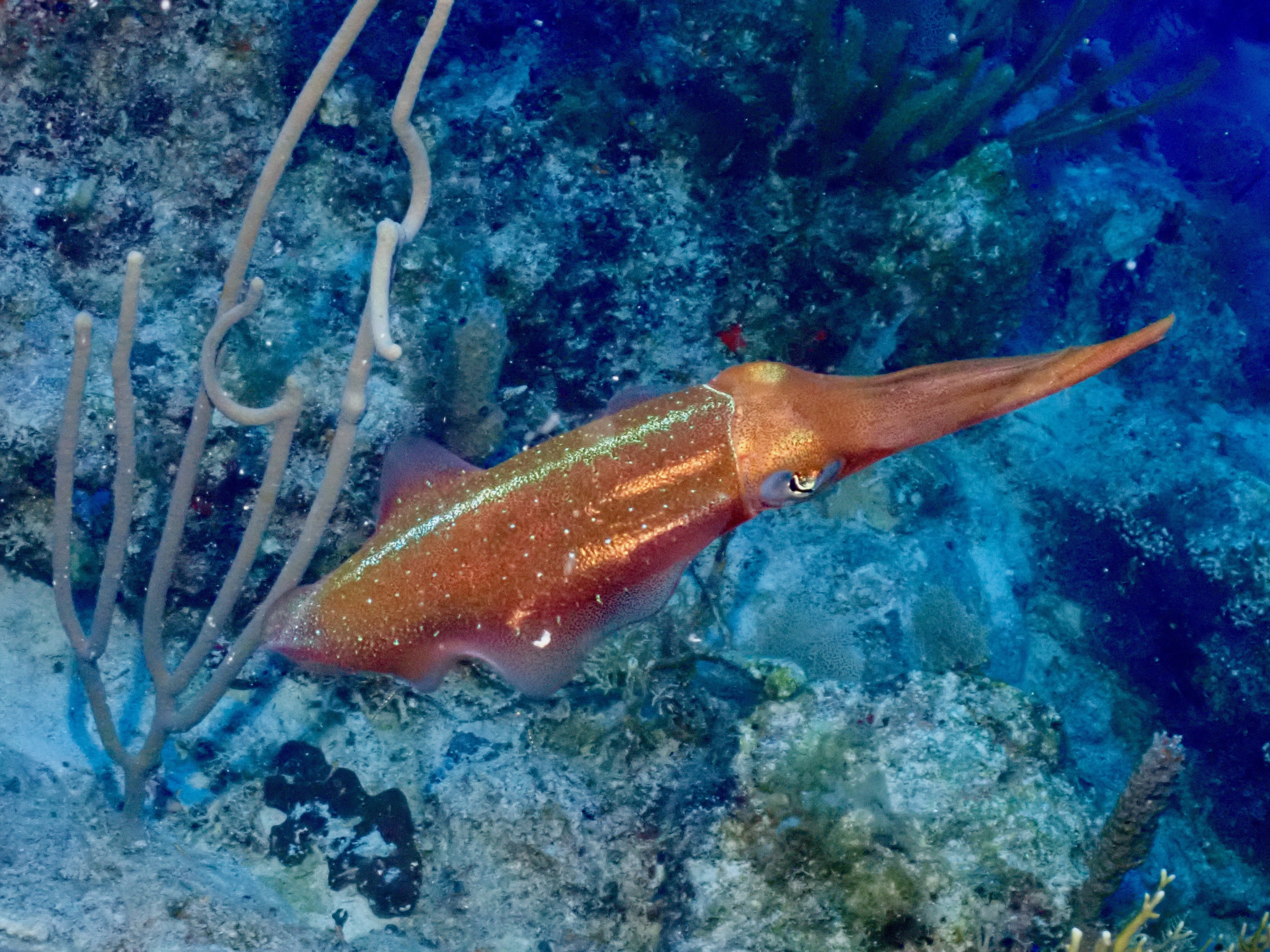
A ray can suddenly appear out of the blue. A turtle might join you for part of the dive. A school of fish can surround the group. Something you’ve never seen before might be hiding beneath the very next ledge.
That’s one of the reasons we keep diving the BVI. Finding fantastic BVI marine life is always a matter of skill…and a lot of luck!
Even when you return to the same site, no two dives are exactly alike.
Big Animals Are Great. Small Stuff Is, Too.
It’s natural to start a dive hoping for turtles, sharks and rays. But some of the BVI’s most memorable underwater discoveries happen when you slow down.
Look inside the reef instead of only over it. Some BVI marine life are masters of camouflage. Look for movement, look in the dark spots, look for shells.
Check beneath ledges. Watch the sea fans. Notice the tiny fish cleaning larger ones. Look closely at coral heads. Spend a minute watching a creature you’ve passed dozens of times before.
The more you learn to look, the more the reef seems to come alive.
And that’s where diving with an experienced local guide can make a huge difference. Our Dive BVI team spends a lot of time underwater here, and we know where—and how—to look for some of the BVI’s fascinating residents.
What Will You See?
We’d love to promise that your next dive will include a turtle, eagle ray and reef shark all before breakfast.
Unfortunately, the fish haven’t given us access to their calendars.
Wildlife encounters are never guaranteed, and that’s exactly what makes them exciting.
Whether you’re an experienced diver, newly certified, or exploring the BVI from the surface with a mask and snorkel, there’s always something waiting to be discovered.
Come explore the underwater world of the British Virgin Islands with Dive BVI—and see who shows up. We’ve been diving here for over 50 years, and still can’t get enough!